 Circulair
The word circular really says it all — it’s about a circle that never ends. In the case of our suppliers’ products, this circle, or cycle, refers to the use and reuse of raw materials. The idea behind it is that the old can always become new again. And that we handle resources so efficiently that as little waste as possible ends up being dumped or incinerated.
Take Ecowings, for example — they rescue old truck inner tubes from the burning pile and turn them into stylish bags.
There’s still a long way to go before all materials and resources can be reused, but we’re already making great progress. By discarding items in a way that preserves their materials so they can be used again as raw materials, we reduce the need for new resources — and help close the loop.
.jpeg)
 People First
Under People First we understand trade with producers in developing countries in Africa, Asia and Latin America under fair trading conditions. The aim is to give producers in these countries a chance to live free from poverty, with genuine opportunities for development. Not through development aid, but through fair and respectful trade.
Fair trade makes both producers and consumers jointly responsible for improvement. It is, by its very nature, a development model that seeks to turn poverty and disadvantage into progress and growth. Thanks to fair trade, the trading position of farmers’ organisations improves, and farmers, workers and their families gain the opportunity to become self-reliant.
The great thing is: by shopping fair, you contribute to a fairer world. And who wouldn’t want that?
 Recycling - Upcycling
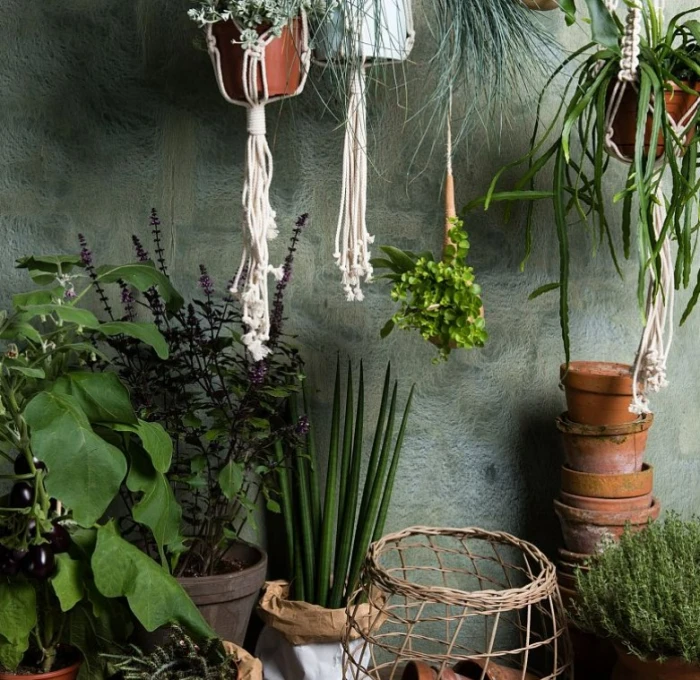
Recycling means reusing raw materials and resources — particularly paper, plastic and glass. The waste product is first taken back to basics, leaving behind the raw materials that can then be used again. By recycling these materials, we reduce the need for new resources in production processes.
Even though it’s labelled as ‘waste’, that doesn’t mean it’s worthless. Quite the opposite, in fact — waste is valuable!
“From waste to wonderful!”
Our supplier Rescued is a master at upgrading existing materials by adding something new or using them differently. This gives the material or product extra value and means we can enjoy it for longer. Something new is created from something ‘old’.
With upcycling, the material isn’t broken down to its basic components first. Instead, it’s reused without being sent to the incinerator — meaning fewer products, and therefore fewer raw materials, are lost.
For example, No More Plastic turns old bed and table linen into new bags, while NOWA extracts gold from old mobile phones to create beautiful jewellery.
 Socially produced
Many of our Dutch suppliers make their products in small workshops. These are places where people with physical, intellectual or psychological disabilities can work. But also those who have never worked, have been unemployed for a long time, received limited education, or find it difficult to get a regular job due to illness or other circumstances.
These individuals can work well in a sheltered environment under adapted conditions. They may need extra guidance or adjustments to their workspace, but they certainly have valuable talents to contribute.
Providing this kind of tailored support is often not possible for regular employers, but in the workshops of our suppliers, everyone can take part — just as it should be.
 100% Dutch made
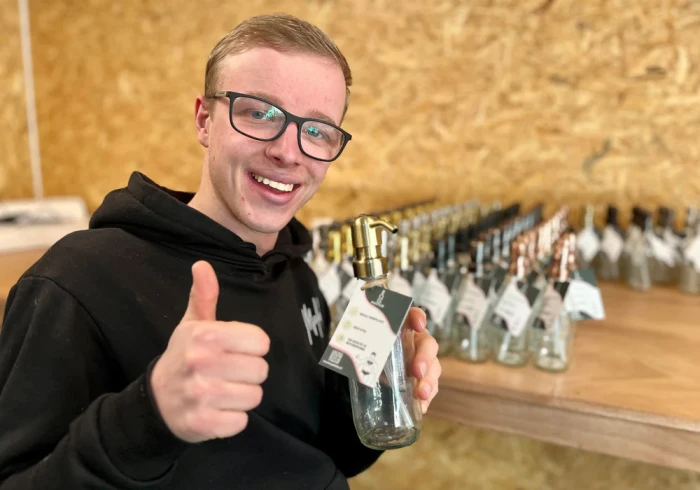
Many of our suppliers make their products right here, in the Netherlands. The advantage is that you have a clear view of the production chain and create more local employment. Delivery times don’t depend on transport, and another big plus — without long-distance shipping, you also save a significant amount of CO₂ emissions.
 Natural – Organic
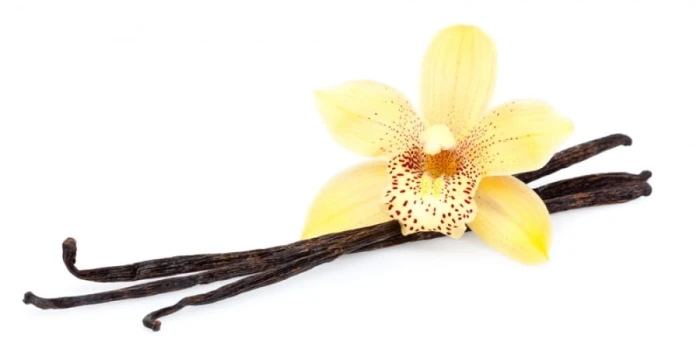
The terms natural, organic and vegan are often used interchangeably, but they’re not the same. A product is natural if it originates from nature — made by nature itself. It’s organic only when the ingredients are grown without the use of artificial fertilisers, chemical pesticides, or genetically modified organisms.
Farmers and growers who produce organically choose to let nature do most of the work, intervening as little as possible and using natural methods when necessary.
That’s why the ingredients used by our cosmetics suppliers are all natural and/or organic.
Redeem code
for a brand?
You can!